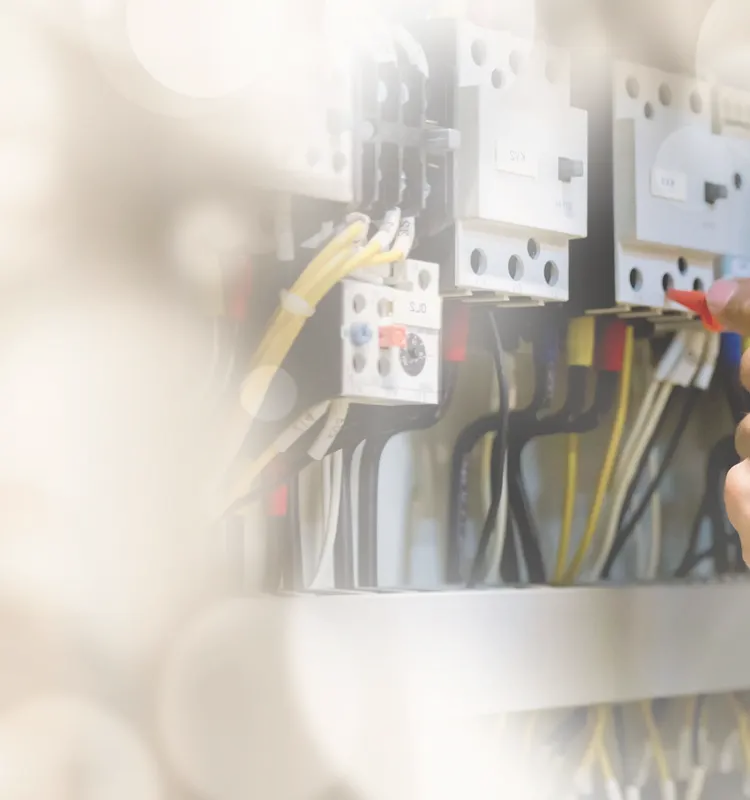
Homes across Norman keep a network of electrical contractors in Bloomington busy with the kind of work that comes from houses built in the fifties and sixties - panels with no empty slots, circuits that trip when two appliances run, and outlets that were never grounded. A professional electrical panel upgrade is one of the most common calls these electricians answer here.
Homeowners in Norman reach out to a local electrician because someone who knows these houses does not have to guess at what is behind the wall or under the floor.
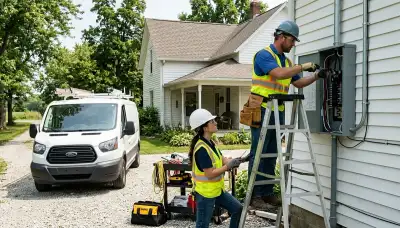
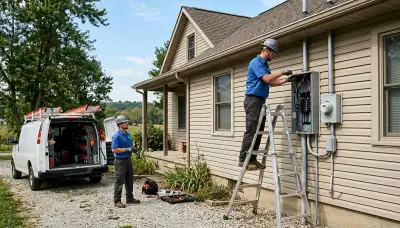
What Local Electricians Know About Norman Homes
A local electrician working in Norman knows that most of these houses were built in the fifties and sixties, when sixty-amp service and a handful of circuits were standard. That shapes every job before the first panel cover comes off.
Two kinds of work show up constantly: panels that have run out of room and circuits that were never wired for a kitchen or bathroom as it is used today. Homeowners in Ellettsville, IN deal with similar situations when the house was built in the same stretch of years.
Getting a problem looked at early keeps a small repair from turning into a full rewire.
Work Matched to How Norman Homes Are Actually Built
An approach that works in a newer house with a slab and an accessible panel does not translate to a Norman home where the panel sits in a basement and circuits run through finished walls with no crawlspace access below.
Some houses here are wood frame over a basement, where running a new circuit is straightforward once the panel is reached. Others are closer together with shared utility spaces, which changes how equipment gets in and what the job takes. Expert ceiling fan installation in a house with a finished ceiling overhead is a different job than in one with open joists.
Norman homeowners asking about quality home electrical inspections, reliable outlet repair, specialist GFCI circuit work, and professional generator installation will find each of those jobs shaped by how the house was built and where the wiring runs.
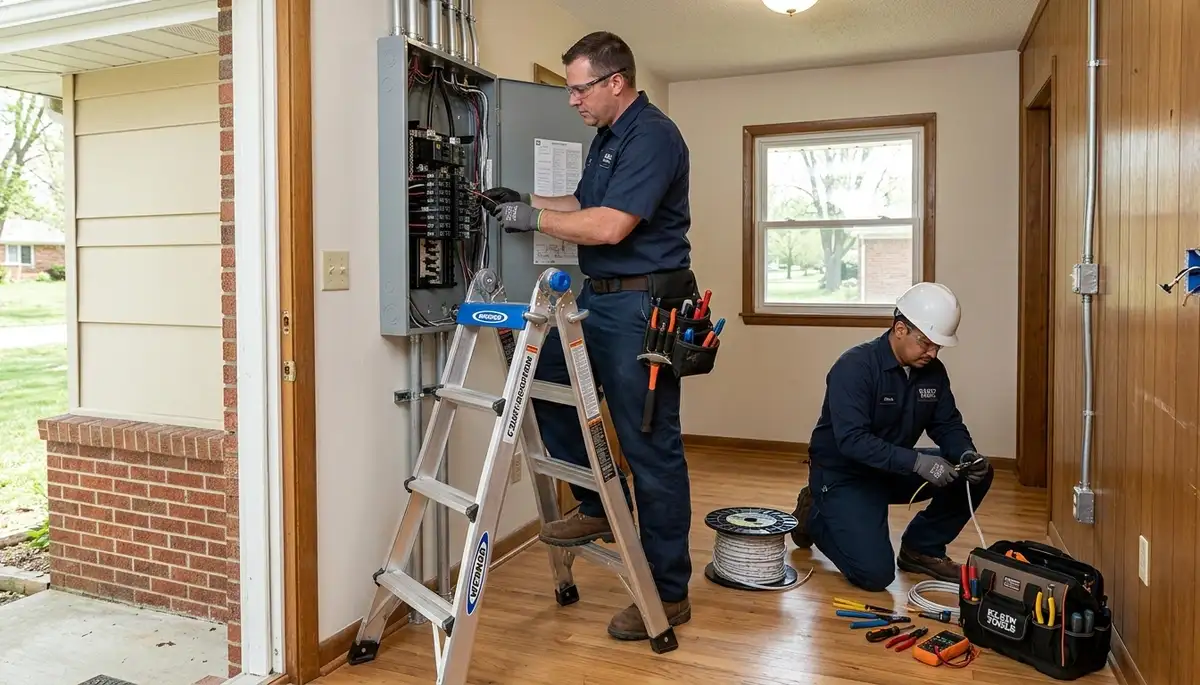
What the Age of Norman Homes Still Decides Today
Most houses in Norman went up in the fifties and sixties, when builders installed sixty-amp service, two-prong ungrounded outlets, and far fewer circuits than a household runs today. Three things follow from that: the panel is almost certainly full, the wiring was never meant to carry a modern kitchen, and grounding was not part of the original installation.
Breakers That Run Out of Room
A homeowner opens the panel to add a circuit and finds every slot taken. That is not an unusual panel - it is a panel that was sized for a house running a fraction of what it runs now. A full panel left alone means doubled-up breakers or extension cords used as permanent wiring, both of which create heat at connections.
Local electricians replace the box with one sized for what the house actually carries, and run the new circuits clean from the start. Homeowners in Gosport, IN with houses from the same years face the same call.
Outlets Warm to the Touch
An outlet that feels warm, or a light that dims when something else starts on the same circuit, points to wiring that is carrying more than it was built for. In houses from the mid sixties and early seventies, aluminum branch wiring is sometimes the cause, and it behaves differently at connections than copper does over decades of use.
Replacing the connections with the right fittings or pulling new copper to the affected circuits stops the heat buildup and keeps the outlet from failing at the worst time.
Two-Prong Outlets Throughout the House
Two-prong outlets mean the wiring behind them was installed before grounding was required. Plugging a three-prong adapter into an ungrounded outlet does not add protection - it only changes the shape of the opening. Appliances that need a ground path to operate safely do not get one.
Adding grounded outlets and the outlets with test and reset buttons near sinks and counters brings the house up to what the wiring should have always provided, and removes a risk that has sat there for decades.
A Panel That Was Never Sized for What Got Added
A car charger, a new air conditioning unit, or shop tools in the garage each pull more than the original service was built to handle. On a hot afternoon the air conditioning alone can push the panel close to its limit before anything else turns on.
Adding capacity means replacing the panel with a larger one and bringing the service entrance up to match, so the homeowner can run the charger, the air conditioning, and the kitchen at the same time without a breaker tripping or a wire running hot.
Basement Panels and Finished Walls
In a Norman home with a finished basement, the panel may sit behind drywall that was put up years after the house was built, and new circuits have to reach rooms through walls with no clear path from below.
Local electricians work through the existing structure, finding the routes that avoid opening finished surfaces wherever the framing allows, and patching cleanly where it does not. The job gets done without turning a circuit run into a remodel.
Call (812) 871-4050 to arrange a no-pressure visit with a local electrician who will look at what the house actually has and tell the homeowner what it needs.
On Call Electrical handles the work correctly the first time, every time.
Full Electrical Services Available in Norman, IN
The work below covers the range of what local electricians handle for Norman, IN homeowners. Find the item that matches what the house needs right now.
Urgent Electrical Work for Norman, IN Homes
- Electrical Repair - a breaker that will not reset or an outlet that stopped working entirely needs a look before it becomes something larger.
- Switch Repair - a switch that sparks, sticks, or does nothing when pressed is a sign the connection behind it has failed.
- Outlet Repair - an outlet warm to the touch or one that will not hold a plug is not a minor inconvenience in a house wired decades ago.
- GFCI Circuits - kitchens and bathrooms without the outlets that have test and reset buttons are missing protection the house should have had from the start.
- Fire Alarm Installation - a detector that is past its service life or missing from a bedroom gives a household no warning when it matters most.
Any of these situations is worth a call today rather than a repair bill that grew while waiting.
Panel, Service, and Wiring Work for Norman, IN Homes
- Electrical Panel Upgrade - a panel with no empty slots or one still running on fuses cannot safely carry what a household runs today.
- Electrical Panel Installation - replacing a box that has reached the end of its service life with one sized for the current load.
- Electrical Wiring - wiring in a house from the fifties or sixties was not built for the number of circuits a kitchen or bathroom now needs.
- Electrical Service - bringing the service entrance up to match a larger panel so the whole system works together.
- New Construction Wiring - additions and finished basements in older Norman homes need wiring that meets current requirements from the first circuit to the last.
Houses built in the fifties and sixties were wired for a much smaller load than what sits on those circuits today, and the panel is usually the first place that shows.
Safety and Protection Work for Norman, IN Homes
- Home Electrical Inspections - a full look at what the house has, what it is missing, and what poses a risk the homeowner may not be able to see.
- Whole Home Surge Protection - a single surge event can damage every appliance and device connected to the panel at once.
- Lightning Surge Protection - a direct or nearby strike sends a spike through the service entrance that unprotected wiring passes straight to everything plugged in.
- Smoke Detector Installation - placing detectors where the house actually needs them, not just where the builder put one to meet the minimum.
- GFC Outlets - ungrounded outlets in older Norman homes leave appliances without the fault path they rely on for safe operation.
A house that was built before grounding and arc protection were standard carries risks that do not announce themselves until something fails. Getting the system inspected and the protection added removes those risks before they become an emergency. Homeowners who have lived in the house for years are often surprised by what a full inspection turns up in walls that have not been opened since the house was built.
Lighting, Outdoor, and Added-Load Work for Norman, IN Homes
- Electric Car Charger Installation - a dedicated circuit sized for a charger keeps the panel from running at its limit every time the car is plugged in overnight.
- Landscape Lighting - outdoor runs in a house this age often share circuits that were never meant to carry exterior loads.
- Security Lights - motion-activated lights on the exterior need a circuit that does not share load with the garage or the back of the house.
- Recessed Lighting Installation - adding recessed fixtures in a finished ceiling of an older Norman home requires routing that works with the framing already in place.
- Ceiling Fan Installation - a box rated for a ceiling fan and a circuit that can carry it without dimming the lights on the same run.
Each of these jobs puts a new load on a panel and a wiring system that was built long before that load existed. Getting the circuit sized right from the start keeps the house running without the panel becoming the problem.